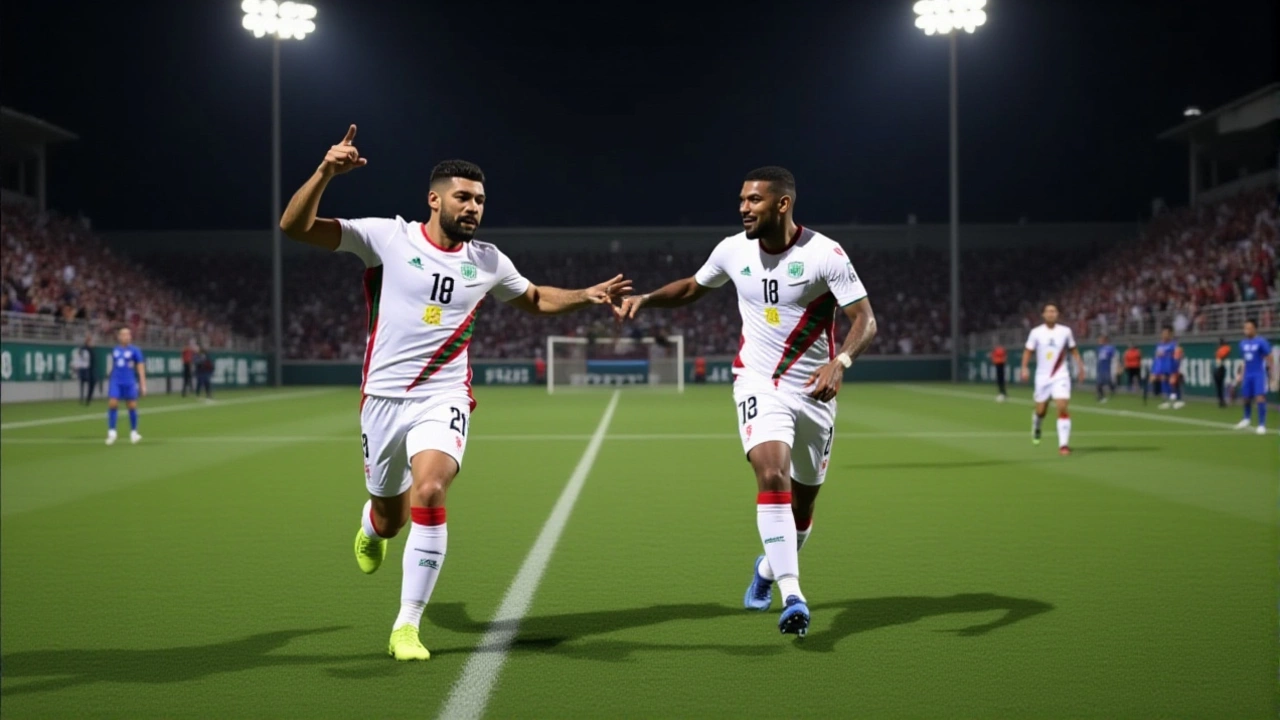
Guatemala capped off their 2026 FIFA World Cup qualifying campaign with a spirited 3-1 victory over Suriname on Matchday 6 of the CONCACAF Third Round, Estadio Manuel Felipe Carrera in Guatemala City—a result that sent Suriname to the intercontinental playoff while offering Los Chapines a bittersweet send-off. The match, played at 7:00 p.m. local time on Tuesday, November 19, 2025, wasn’t just about pride; it was the final chapter in a campaign where Guatemala fought hard but fell just short of automatic qualification. The win, powered by goals from Darwin Lom, Olger Escobar, and Óscar Santis, turned a disappointing group stage into a memorable finale.
How Guatemala Turned the Tide After a Tough Run
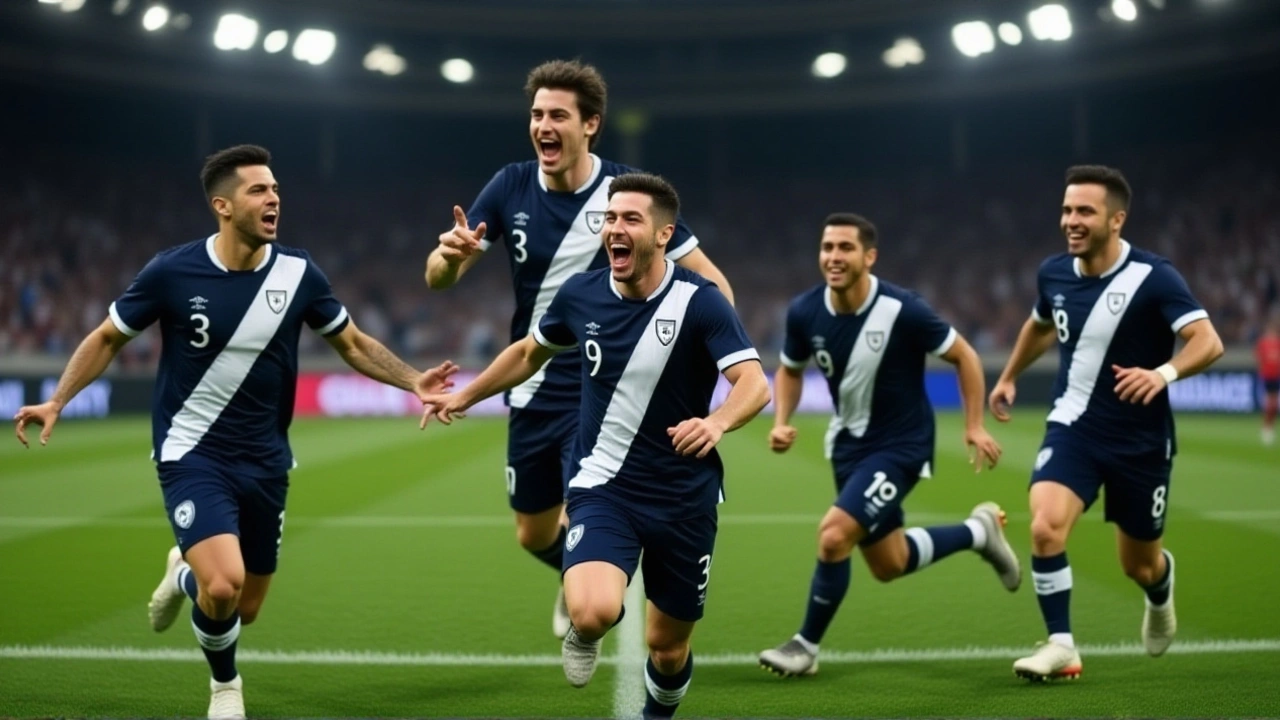
Guatemala entered this final match with a 2-2-2 record and 8 points, needing a win to finish strong after a 3-2 loss to Panama in their previous outing. Manager Luis Fernando Tenna made four changes to the lineup, including bringing in striker Óscar Santis, who would become the match’s defining figure. The first half was cagey—Suriname defended deep, and Guatemala struggled to break through. But everything changed after halftime. In the 49th minute, Darwin Lom pounced on a loose ball after a corner kick, slotting it past goalkeeper Óscar Castellanos. The stadium erupted. Two minutes later, a slick pass from midfielders Rosales and Franco found Olger Escobar, who fired low into the far corner. By the 65th minute, Santis had sealed it: a one-on-one breakaway, a feint past the keeper, and a calm finish. It was the kind of moment that reminded fans why they love this game.Suriname’s Rollercoaster Campaign Ends in Playoff Limbo
Despite the loss, Suriname still finished second in Group A with 9 points—two behind group winners Panama and one ahead of Guatemala. Their record of 2 wins, 3 draws, and 1 loss reflected a gritty, resilient campaign. They had held Panama to a draw earlier and earned draws against both Guatemala and El Salvador. But in the final minutes, an own goal by defender Nicolás Samayoa—accidentally deflecting a cross into his own net—was a cruel footnote to their journey. The twist? Suriname’s playoff fate wasn’t decided by their performance alone. With Panama beating El Salvador 2-0 on the same day, Suriname’s position was secured regardless of the Guatemala result. Still, the loss meant they had to leave their home turf empty-handed, and the emotional toll was clear. Players huddled on the pitch after the final whistle, some with tears. One Football reported it plainly: “Suriname heads to play-off.”Who Made It? Who Got Left Behind?
The final Group A standings told the full story:- Panama – 12 points (3W-3D-0L) – qualified directly for World Cup 2026
- Suriname – 9 points (2W-3D-1L) – advanced to intercontinental playoff
- Guatemala – 8 points (2W-2D-2L) – eliminated
- El Salvador – 3 points (1W-0D-5L) – eliminated
What’s Next for Both Teams?
Guatemala’s journey ends here—for now. The national team, affectionately called Los Chapines, will regroup for the 2027 CONCACAF Gold Cup qualifiers. Coach Tenna has a young core—Lom is just 21, Santis 23—and this campaign showed promise. The challenge now: turn near-misses into breakthroughs. Suriname, meanwhile, faces an even tougher test. The intercontinental playoff, scheduled for early 2026, will pit them against a team from another confederation—likely from Asia, Africa, or Oceania. FIFA hasn’t yet drawn the pairing, but past playoffs have seen teams like Australia, Peru, and the United Arab Emirates qualify through these routes. Suriname’s players will need to recover quickly. They’ve never beaten a team from outside CONCACAF in a competitive match.Why This Match Matters Beyond the Scoreline
This wasn’t just another qualifier. It was the culmination of a long, often overlooked path for smaller nations trying to reach the world’s biggest stage. Suriname, with a population under 600,000, doesn’t have the infrastructure of the U.S. or Mexico. But they’ve built a team of diaspora stars—players from the Netherlands, the U.S., and even Belgium—who chose to represent their ancestral homeland. That’s the soul of international football. For Guatemala, the loss to Panama in their penultimate match had cast doubt. But beating Suriname, a team that had held them to a 1-1 draw in Paramaribo earlier, showed character. The crowd of over 32,000 at Estadio Manuel Felipe Carrera sang for 90 minutes. That’s the power of national pride.Frequently Asked Questions
How did Suriname qualify for the intercontinental playoff despite losing to Guatemala?
Suriname finished second in Group A with 9 points, one point ahead of Guatemala. Even though they lost 3-1, Panama’s 2-0 win over El Salvador on the same day secured Suriname’s position. The playoff spot is determined by final group standings, not individual match results. Suriname’s three draws—including against Panama—proved decisive.
Who scored for Guatemala, and why was Óscar Santis so important?
Darwin Lom opened the scoring in the 49th minute, followed by Olger Escobar in the 57th. Óscar Santis sealed the win with a solo goal in the 65th minute, rounding the keeper and finishing calmly. Santis, a 23-year-old forward playing in the Guatemalan Liga Nacional, was named Man of the Match. His pace and composure under pressure gave Guatemala the clinical edge they’d lacked in earlier games.
What does the intercontinental playoff mean for Suriname?
Suriname will face a team from Asia, Africa, Oceania, or South America in a two-leg playoff in early 2026. The winner earns a spot in the 48-team 2026 World Cup. Suriname’s best chance may lie against an Oceania team like New Zealand or Fiji, as they’ve never beaten a top Asian or African side in competitive play. Their squad, packed with Dutch-trained players, will need to adapt quickly to different styles.
Why was there confusion about the match date?
FIFA Plus initially listed the match as November 18, but multiple authoritative sources—including ESPN, CBS Sports, and OneFootball—confirmed it was played on November 19. The discrepancy likely came from time zone confusion: Guatemala City is UTC-6, while FIFA’s global feed uses UTC. Local kickoff was 7 p.m. (19:00), which was 1 a.m. UTC on the 19th, leading to misreporting in some regions.
Is this Guatemala’s best World Cup qualifying campaign in recent years?
Yes. Guatemala’s 8 points in this cycle is their highest since the 2010 qualifiers, when they earned 9 points but didn’t reach the third round. Their 2 wins and 2 draws in the final stage reflect improved organization and youth development. With players like Lom and Santis emerging, they’re building momentum for 2030.
What’s the significance of the Estadio Manuel Felipe Carrera in this match?
The stadium, home to Guatemala’s national team since 1982, has been the scene of many historic moments, including their 2002 World Cup qualifier win over Mexico. On November 19, it hosted its largest crowd since 2018—over 32,000 fans. The atmosphere was electric, with chants echoing for 90 minutes. For a team that often plays in front of sparse crowds, this was a statement: Guatemalan football still has heart.